

Hey, guys! Welcome back to The Wheelchair Teen (even though I’m technically not a teenager anymore 😊). I’ve started spelling Disability with a capital ‘D’ out of respect for my community. It is used to represent the shared identity of people with Disabilities as we stand together to continue to fight for our rights and equality. It’s a reminder of the discrimination we constantly face and how we won’t allow ourselves to be defined by it. A reminder of our pride, culture, heritage, and history. It’s similar to how when we’re referring to the colour black we use a lowercase ‘b’, but when referring to Black people and Black culture we use a capital one.
This quote from Steven Brown says it best: “People with Disabilities have forged a group identity, we share a common history of oppression and a common bond of resilience. We generate art, music, and literature and other expressions of our lives and our culture infused from our experiences of Disability. Most importantly, we are proud of ourselves as people with Disabilities. We claim our Disabilities with pride as part of our identities. We are who we are. We are people with Disabilities.”
.
But aren’t Disabilities a bad thing?
Most people think that Disabilities are bad things and Disabled people are burdens on society. Disability culture and history are seen as inferior to other cultures. Some even argue that it’s non-existent. That Disabilities are only things to be ashamed of instead of celebrated like other forms of diversity. They believe that there’s only one way for a human body to look like and one way for it to work and anything else is incorrect rather than simply different like how people’s ethnicities or sexual orientations can be different. I agree with activist Aurora Levins Morales when she says there is “no neutral body from which our bodies deviate.” Bodies can’t be wrong, they can only be different.

There is no ‘right or wrong’ way to listen to music – whether it’s done by hearing or feeling through vibrations like some Deaf people do. There is no ‘right or wrong’ way to create art – whether it’s through holding a paintbrush in your hand or in your mouth like I do. Processing social situations in a different way or working in crip time to replenish your spoons is not wrong, it’s just different from the nondisabled experience. And different can be beautiful. Different should be celebrated.
If you are nondisabled, it’s presumptuous and small-minded to assume all Disabled people must want to be like you. That our culture and way of life are inferior to yours. That we need to be ‘healed’ or ‘cured’ so that we can look and act exactly like you do. Different does not mean bad – different just means different, no matter what lies society preaches about Disability.
.
So can Disabilities be a good thing?

“Disability is a natural and fundamental part of human diversity.” We are unbelievably valuable to society. This world would not be the place that it is without the inventions we’ve created, our art, and the Disabled people throughout history who have made this world a better place. We are valuable in the same way that all diversity is valuable: we open up fresh, unexplored paths of thought, experience, and creativity.
For example, the famous scientist Temple Grandin who is autistic says it was her unique brain that helped her to advance livestock science to be more humane. We hold ourselves back when we put energy into hiding our limping, stimming, and drooling. Imagine what more we could do if we fully embraced the parts of ourselves that society tries to correct and force to work in the same way nondisabled people do.
But, in general, people with Disabilities do tend to have more difficult lives. For so much of my life, I thought that the problem was me. I was taught to hate my ‘incorrect’ body and that it was the cause of all of my pain. But now I know the problem was never me. If there was no ableism or inaccessibility in my life, my Disability would not be a source of hardship for me. Patty Berne, a fierce queer Disabled activist of colour, states that: “What oppresses us is living in a system which disregards us, is violent towards us, essentially wants to subjugate our bodies or kill us. That’s oppressive. My body doesn’t oppress me…”
Our bodies are not the problem, they never were. I can’t change my body and I don’t want to. It’s beautiful in its uniqueness. But society around me – that should and must change to accept and celebrate bodies like mine.

.
I’ve also stopped using the term able-bodied and now use the preferred term nondisabled to refer to anyone who isn’t Disabled. But when writing lots of blog posts constantly talking about Disabled and nondisabled people, it can become a bit of an earful. And also a lot of repetition of the word ‘disabled’. I used to shorten the term ‘nondisabled people’ to ‘NDs’ when speaking. This eventually morphed into ‘aNDys’ which I now use all the time. So put simply, an aNDy is someone who doesn’t have a Disability and I’ll occasionally use that in blog posts where I repeat the term ‘nondisabled people’ a lot.
In conclusion, capitalising the ‘D’ in Disability may seem like something small but there is a lot of power behind it. My community has taught me to love every single piece of me unashamedly. They helped me to see the beauty in my curled fingers and limp wrists that I thought I’d never find. Now I’m Disabled and proud with a capital ‘D’. Thanks so much for reading ❤ What parts of you has society taught you to hide? Please let me know in the comments below. See you next week!

 The Wheelchair Teen
So insightful & wise, & makes so much sense! Thank you for sharing this!
I thought along these lines some time back about my C-PTSD, & it came from watching an episode of “The Walking Dead”, believe it or not! LOL A deaf woman was talking with someone about her frustration with being deaf. The other person told her it’s really a super power. She can do things others can’t, thinks of things differently than someone with hearing & I forget what all now. She basically said what you did except applied it to deafness only. But it made sense. Everyone has things they can’t do, either from Disabilities or simple shortcomings. It’s OK & we should look at them differently, not as problems needing to be fixed. Besides, if everyone could do everything, no one would need anyone but themselves.
LikeLiked by 4 people
You’re welcome! It makes me very happy that you found this post to be so insightful. You’re exactly right. Everyone has things they can’t do and everyone has things that they’re skilled at and that they can do in a way that no one else can. “It’s OK & we should look at them differently, not as problems needing to be fixed.” very true and I hope that more people start seeing it this way. Especially when people like me are constantly treated with pity – if they saw things this way they’d understand why they don’t need to. And isn’t it funny how sometimes a show or a book can completely change your world view on some things? All it takes is a line or thoughtful quote to ignite a spark in someone. .❤️
LikeLiked by 1 person
I really did find it insightful!! ❤
I don't get treating Disabled people with pity. I mean, if someone is struggling, of course some pity is understandable, but just because someone has a Disability even when they aren't struggling??
It is amazing when that happens! The Bible says the tongue has the power of life or death & I firmly believe it! Just a couple of words can absolutely lift someone to new heights or utterly destroy them.
LikeLiked by 3 people
Exactly, it makes no sense to treat someone like that just because they have a Disability. The Bible was definitely right – words are so extremely powerful. That’s why I write and give talks – I believe that it can make a big difference.
LikeLiked by 1 person
No, it doesn’t make sense!
Absolutely! Words truly are extremely powerful!
I have no doubt what you say & write makes a very big difference!
LikeLiked by 3 people
You always write such beautiful, insightful pieces.
LikeLiked by 3 people
Thank you so much 🥰 I’m very passionate about changing negative perceptions.
LikeLike
Such powerful truths. Thanks so much for sharing.”But society around me – that should and must change to accept and celebrate bodies like mine.” ( I absolutely agree) 💕
LikeLiked by 3 people
You’re welcome! I’m so happy you agree. You are someone who so clearly understands the beauty in people and that it should all be celebrated. Thank you so much for these words and I wish you a wonderful week ❤️🌼❤️
LikeLiked by 2 people
I absolutely do agree. It is truly a pleasure to read your posts. Thank you so much. Have a fabulous week too.💕😊💕
LikeLiked by 1 person
such wonderfully inspiring and powerful thoughts and words you share.
such wisdom in your words… so precious 🤍
Thank you for this lovely share🤍🌹
LikeLiked by 2 people
You’re welcome! This comment put a huge smile on my face. Thank you so much for calling my words precious and powerful. It means so much that you were inspired by this. That’s why I do what I do ❤️
LikeLiked by 1 person
you are most welcome and continue… you inspire 🤍🙏✨
LikeLiked by 1 person
This is why I love your blog so much, you’re so good at educating people and helping them to understand! I definitely understand why you capitalise Disabled now, I think it’s a great symbol, metaphor even, for the unity in the community and the power it gives!
LikeLiked by 3 people
Thank you so much, Zainab. I truly appreciate this. I’m glad you were able to so clearly understand why I capitalise the ‘D’ in Disability. You’re completely right – it is a metaphor that clearly communicates our unity and power. And you are such an amazing ally. You’re always able to understand and feel for the Disability community. That’s why I love having you as a reader ❤️.
LikeLiked by 1 person
Your post has enriched my day. Thank you, Simone, for sharing your perspectives and experiences. Doing so heightens our awareness and compassion. 🙏🏻
“Bodies can’t be wrong, they can only be different.” 💗
LikeLiked by 3 people
I’m so happy that it has. You’re very welcome, I have a passion for re-writing some of the narratives about Disability that have been portrayed by the media. Very true. And I especially feel like the WordPress community are very open to having their awareness and compassion raised. Thank you so much for these encouraging words. They truly mean a lot.
LikeLiked by 1 person
You are sincerely welcome. 🌻 Your voice is a needed and articulate one.
LikeLiked by 1 person
Little sister thank you for sharing your thoughts and experience with us. I admire you.
It amazes me that you can paint using your mouth to paint with the paintbrush. I seriously cannot paint anything with my hands.
LikeLiked by 2 people
You’re welcome, it truly means so much that you admire me because I admire you too. Thank you, it was a skill that was very hard to perfect which I taught myself to do when I was eleven after I lost the function in my hands because I didn’t want to lose my love of art too. I don’t know if you’ve heard of the very famous Christian advocate called Joni who uses a wheelchair and paints with a pen in her mouth? During my sister’s youth Christian group, they watched a film about her life, my sister showed it to me, and that’s where I got the idea from 😊
LikeLike
Great reflections!
Sending you all my love 💞
LikeLiked by 2 people
Thank you! 😊 I wish you a wonderful week ❤️
LikeLiked by 1 person
You’re most welcome! 🌹
LikeLiked by 1 person
Self love as a basis for activism! Glad to hear of your Disabled pride!
LikeLiked by 2 people
It’s actually one of the best kinds of activism. When we believe in and love ourselves, we’re aware of our true worth and power. I’m happy you enjoyed hearing about it 😊. Have a wonderful day! ❤️🌼❤️
LikeLiked by 1 person
“In conclusion, capitalising the ‘D’ in Disability may seem like something small but there is a lot of power behind it. My community has taught me to love every single piece of me unashamedly.” — you have a beautiful approach to life.
LikeLiked by 2 people
Thank you so much, this really made me smile. In my experience, self-love and acceptance are powerful tools to have in life. Thanks for stopping by! I hope that you’ll have a wonderful week 🌻.
LikeLiked by 1 person
I liked and commented but don’t know where it went.. YIKES You inspire and I love how you have figured out a way to make it easier to communicate with others Simone. You embody love and acceptance💕
LikeLiked by 2 people
Oh no, I’m so sorry! I hate it when that happens. “You embody love and acceptance.” what an amazing compliment! That’s truly such a moving thing to say. Thank you so much! I put my hand on my heart after reading this ❤️.
LikeLiked by 1 person
Awww you are so very welcome Simone. Thank you for your teachings and happy this touched you as you touch and move us-;)💕
LikeLiked by 1 person
how I’ve missed your wisdom & encouragement!
LikeLiked by 1 person
Thank you, that means a lot ❤️
LikeLiked by 1 person
🥰
LikeLiked by 1 person
Awesome post, thank you for sharing. I agree, society needs to change and accept everyone as they are, not as they feel they should be. I hope you have a fantastic week.
LikeLiked by 1 person
You’re welcome, I’m glad you enjoyed it. I’m happy you agree, Sometimes society is guilty of promoting a golden standard of life and beauty and forcing that onto people rather than allowing them to be themselves. I hope that you’ll have a fantastic week too 🌻.
LikeLike
Hello Wheelchair Teen, and thank you so much for this enlightening post. I shall look at Disability differently and with respect now. I salute your positivity and courage 🙋🏾
LikeLiked by 1 person
Hello! You’re very welcome, it’s great that you found this post to be enlightening. The greatest compliment of all is that I was able to positively change someone’s mindset so I’m touched that you’ll look at Disability differently now after reading this post. Thank you so much for those kind words. I salute your open-mindedness and respect 🙋🏾♀️.
LikeLiked by 1 person
hey
lovely blog hope all is well
happy blogging.
LikeLiked by 1 person
Hi
Thank you 😊 Yes, I’m doing great.
Happy blogging to you too!
LikeLike
“Bodies can’t be wrong, they can only be different.” I absolutely loved that. And I absolutely agree that everyone has something special to offer the world. Disabled people included. I hate that they’re often seen by society as holding no value but every single person is valuable.
LikeLiked by 1 person
I’m glad that you enjoyed this. And I’m happy you agree – everyone has skills and talents that are indispensable to humanity. I hate it too. A lot of it has to do with capitalism. But Disabled people don’t need to reach a capitalist benchmark of success in order to be seen as valuable.
LikeLiked by 1 person
Yeah, capitalism really dehumanises people. It’s so sad. But that’s why we have to remember we’re all valuable no matter what.
LikeLiked by 1 person
Powerful words my dear. May the Lord continues to strengthen you to this great work. Blessings 🙌
LikeLiked by 1 person
I’m happy that you found them to be powerful. Thank you so much for the blessings. God bless you this week xxx
LikeLiked by 1 person
You are welcome
LikeLiked by 1 person
hey
cool blog 🙂 will give it a follow and a like !
LikeLiked by 1 person
Thank you! 🥰
LikeLike
You are beautiful, inside and out. 🤍🤍
LikeLiked by 1 person
Thank you so much, that’s a very sweet thing to say ❤️. I read a few of your posts and I keep trying to comment but it just says: Nonce verification failed.
LikeLiked by 1 person
Oh no. I’ve seen this happen to other people at times, too. And isn’t that just rude that it’s happening and say “Nonce?” lol 🤍🤍 I will see if I can fix it. Let’s hope I can. 🙂
LikeLiked by 1 person
No worries 😊 Let me know if you manage to. For now, this is what I tried to comment on your latest story:
I really enjoyed reading this story 😊 It’s sad that she regretted giving the baby up. I’m not sure her successful nail business will take away that pain but I hope she finds what she’s looking for.
LikeLiked by 1 person
Thank you so much. That is such a lovely comment. 🤍🤍
LikeLiked by 1 person
“Nondisabled!” That’s so great! 👌👍😆
I watched a TED talk by a legless woman who is also a world champion runner. She started her talk by reading the dictionary definitions of “disabled.” Boy, that can get pretty entertaining when it’s done with eyebrows raised and a “WTF?” tone in the voice… Eventually she got to the word “abnormal,” and there she just stopped.
“What’s ‘normal’ anyway?” she asked the audience. “And who would want to be that boring white bread person?”
You remind me of her.
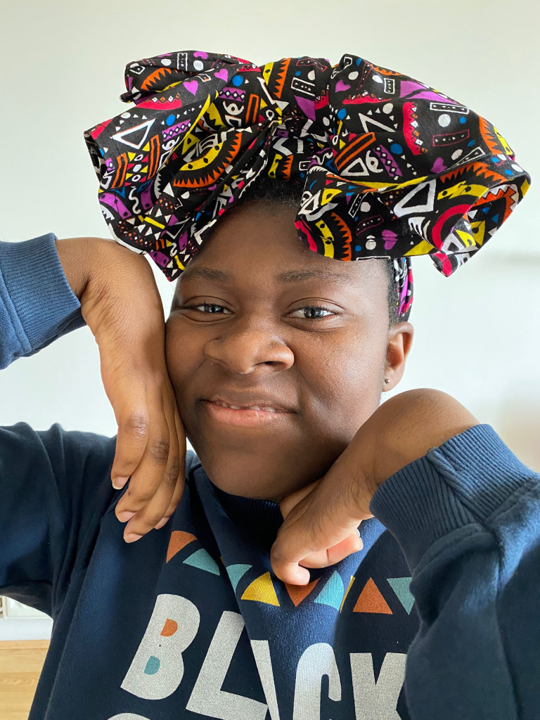
Love the BOW!!! YOU rock it! 😄
LikeLiked by 1 person
Ha! I love that! She’s definitely on the right track. There’s not really such thing as normal, and if it does exist, I’m glad not to be it. Thank you so much, I’m glad you like the bow 😊 Have a great weekend! ❤️
LikeLiked by 1 person
You go gurl
LikeLiked by 1 person
You are an incredible writer, and what you share here is such important information. Thank you for your blog! BTW, I’ve tried several times to follow you and don’t seem to be able to. I’ll try again later.
LikeLiked by 1 person
Thank you so much, I’m very passionate about raising awareness about Disabilities because even though we are the biggest minority group in the world, we also seem to be the minority group that people are the most uneducated about. And don’t worry, I have received your subscription and I greatly appreciate it.
LikeLiked by 1 person
Great. Thanks! I’m glad I can follow you 🙂
LikeLiked by 1 person
I studied social work in the 1990s and one of my teachers said: it’s not people who are disabled its society that disables people.” and I think its outrageous that we still disable anyone who doesn’t fit a supposed “right” body, gender, nationality, religion etc. We should know so much better. I survived sexual abuse in my childhood and always felt I need to hide my whole being because I felt damaged, inadequat and I simply could not fit in anywhere. I am glad to have found your blog. It will teach me a lot. Thanks for sharing your story 🥰
LikeLiked by 1 person
Your teacher was definitely thinking along the right tracks – Disabled people are more oppressed by society than by our bodies. I think its outrageous too. It’s so sad that we live in a world that encourages people to fit in by being what they’re not rather than embracing what makes everyone different and unique. I’m so sorry that you faced abuse in your childhood. I am extremely touched that you’ve been able to get something out of reading my story. You’re welcome, it’s honestly my pleasure.
LikeLiked by 1 person
Great post about something that’s easy to overlook. Thank you for this.
LikeLiked by 1 person
You’re very welcome. It is easy to overlook, I’m happy you learnt something 😊
LikeLiked by 1 person
“Keep your face to the sunshine and you cannot see the shadows.”
prayers to you
LikeLiked by 1 person
Thank you 😊
LikeLiked by 1 person
for*
LikeLiked by 1 person
Thanks so much for this 🥰
LikeLike
Such an inspiring and thoughtful post! I love your assertion- Bodies can’t be wrong, they can only be different. A lovely share!
LikeLiked by 1 person
I’m overjoyed that you were able to take something valuable away from this post. It’s great that a lot of people were able to learn from it. Thank you so much, have a great week 🌻
LikeLiked by 1 person
My pleasure 💖
LikeLike
Love your point of views. 😍
LikeLiked by 1 person
Thank you! 🥰
LikeLiked by 1 person
You’re welcome.
LikeLiked by 1 person
Being non disabled, nonetheless there’s been plenty I could or would effectively hide – too sort, too shy… you name it. Labels are meaningless as you say.
LikeLiked by 1 person
100%. Everyone in society are given labels and are taught to be ashamed of something or the other rather than to embrace and celebrate all parts of ourselves as we should. It’s completely understandable to have things about yourself you want to hide. I hope you also have plenty of situations in your life where you feel able to accept and embrace those things too.
LikeLike
“Sticks and stones may break my bones but word can bear hurt me.”
LikeLiked by 1 person
Excellent post! I have become disabled 4 years ago, and for these 4 years I have been like paralyzed: I didn’t like my body, myself, my life. Only now have I begun to accept myself as disabled and percieve my disability as a part of me. So now, after 4 years, I can finally say that no, there is nothing I would hide about myself any more 👍😊
LikeLiked by 1 person
Thank you! 😊 I’m glad that you’ve reached the point where you’re starting to accept yourself and your Disability. It’s not an easy journey, it took me many years too. I commend you for that and you’re absolutely right – there’s nothing about you that you should hide 💪🏾❤️
LikeLike